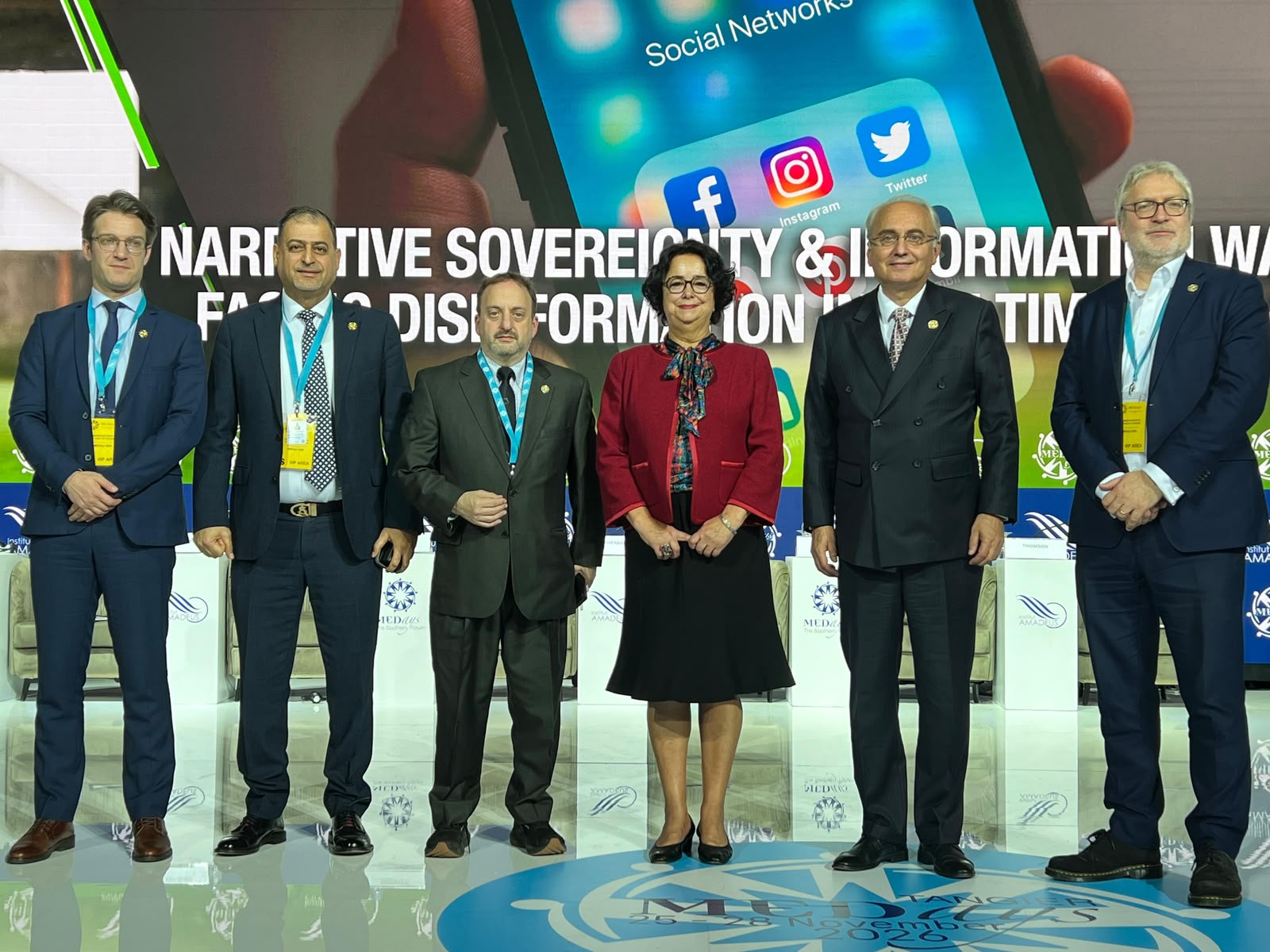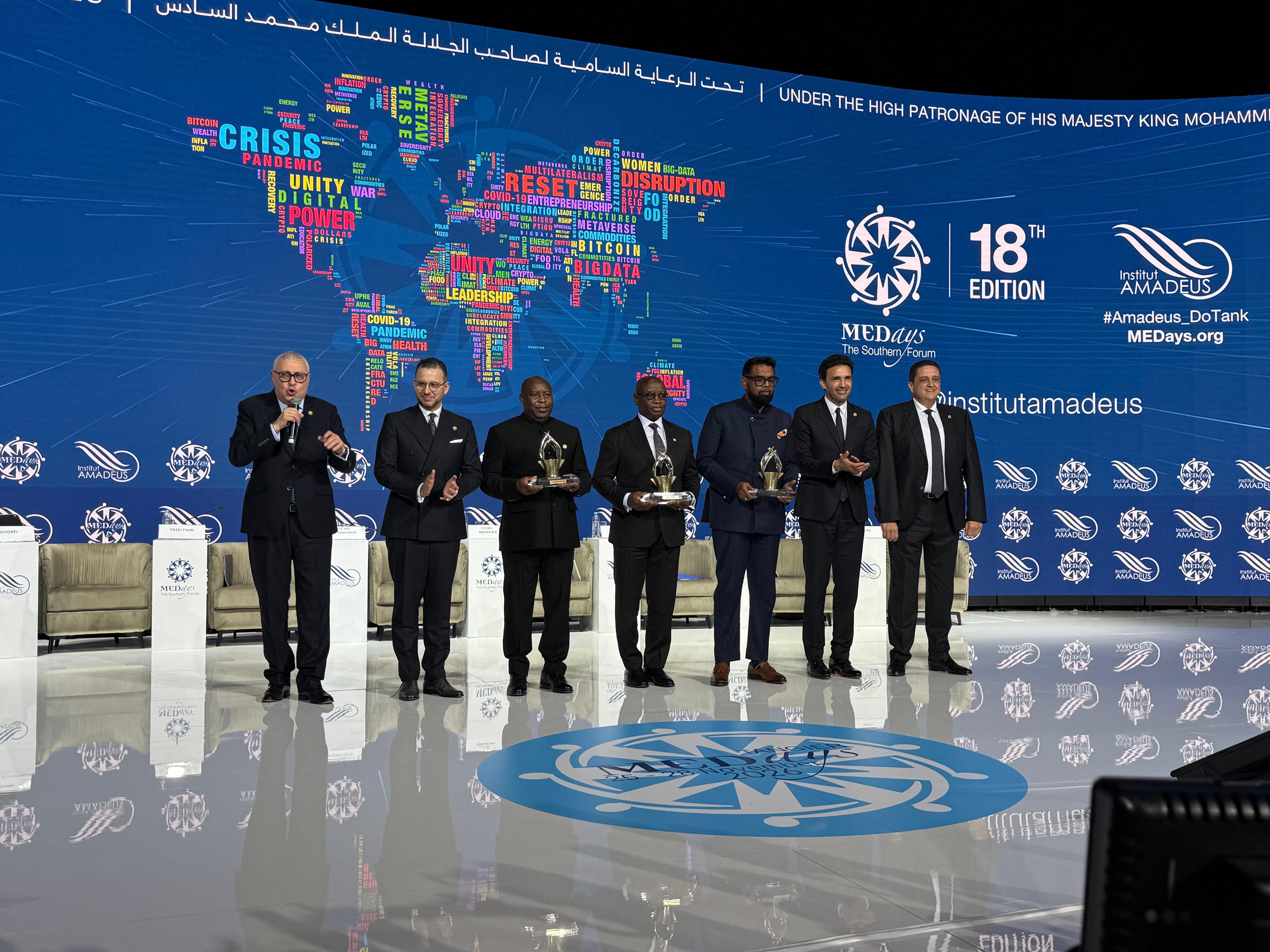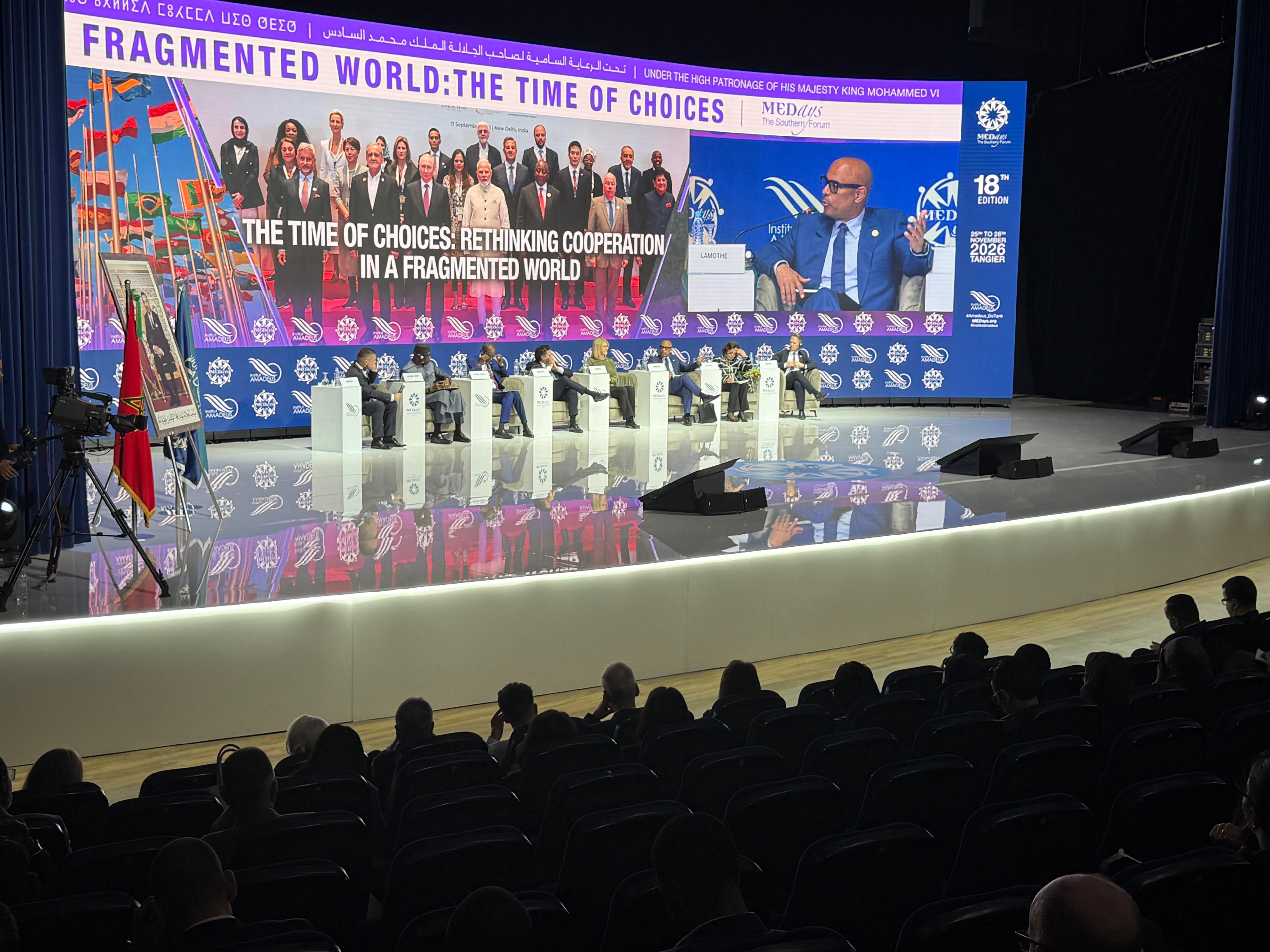
Brussels International Center at MEDays 2026: Africa’s Choices, Global Partnerships and the Road Ahead
The Brussels International Center (BIC) continued its participation in the 18th MEDays Forum as the second day placed African sovereignty, economic integration and strategic partnerships at the centre of the programme. Following the opening ceremony, attention turned to the choices behind the forum’s overarching theme, “Fragmented World: The Time of Choices”: how countries can strengthen their influence, diversify their partnerships and translate political ambition into opportunities for their populations.
Organised by Institut Amadeus, led by its founder and President, Brahim Fassi Fihri, under the High Patronage of His Majesty King Mohammed VI, MEDays brings political leaders, diplomats, investors and researchers together at Tangier’s Palais des Arts et de la Culture. For BIC, this setting offers an opportunity to connect the priorities expressed by African and international partners with the policy debates taking place in Brussels.
Africa at the decision-making table
African sovereignty emerged as a prominent theme of the day. Former Senegalese President Macky Sall participated in the discussion on Africa’s strategic position, with reporting from Tangier highlighting his call for African unity in efforts to reform global governance. His intervention brought an essential question into focus: how can countries turn their collective weight into greater influence over international decisions?
For BIC, this question connects diplomatic representation with institutional capacity. A stronger international voice requires the ability to negotiate effectively, coordinate priorities and sustain commitments over time. It also requires policies that deliver benefits people can recognise in their daily lives.
These considerations matter for European engagement with Africa. Partnerships become more credible when they begin with an understanding of how African governments and societies define their own interests. BIC’s presence in Tangier supports that understanding, bringing perspectives expressed within an African-led forum into its research and dialogue in Brussels.
From Atlantic ambition to economic opportunity
One of the day’s most concrete discussions concerned Africa’s Atlantic connections. Senegalese Foreign Minister Cheikh Niang proposed closer cooperation among African ports, expanded coastal shipping, free-trade zones and the modernisation of port management. During the session, he also highlighted the potential of the future Dakhla Atlantique port to support regional connectivity and trade. These proposals outlined avenues for cooperation rather than completed agreements.
The wider significance lies in what infrastructure can make possible. Ports, transport corridors and logistics networks can connect producers with buyers and create opportunities for businesses across borders. Their development value depends on how effectively local companies, workers and communities participate in the economic activity they generate.

Who shapes the next generation of partnerships?
The published second-day programme linked continental trade and strategic resources with discussions on debt and development investment. Sessions on China–Africa relations and partnerships involving Türkiye, the Gulf and India also placed the diversification of international relationships on the agenda.
Read together, these themes raise an important policy question: what makes a partnership valuable over the long term? Access to capital matters, but so do financing conditions, local participation, skills development and accountability. The quality of cooperation becomes clearer when a project moves from negotiation to implementation.
From BIC’s analytical perspective, diversified partnerships should be examined through these concrete outcomes. This approach allows research to follow the connection between diplomatic choices and economic opportunities, while assessing how responsibilities and benefits are distributed.
Security, authority and the people behind the policy
The Sahel featured in a dedicated session scheduled to examine state authority and fragmentation, with Moussa Faki Mahamat, Hanna Serwaa Tetteh and other experienced diplomatic and security figures listed among the speakers.
For a research and human rights center, this subject demands attention to the relationship between public institutions and the communities they serve. Security policies must be assessed alongside civilian protection, access to justice and essential services. Public confidence is an important consideration when examining whether institutions can sustain stability.
BIC’s engagement with these questions connects its work on conflict and governance with the wider diplomatic conversation. Discussions of regional security gain practical depth when they consider how policy choices affect people living with insecurity.
Sovereignty begins with opportunity
The programme also included health production, women’s economic leadership, and young people’s education and employment. Their inclusion extended the discussion of sovereignty to the capabilities societies need to shape their development.
For BIC, these subjects provide meaningful tests of broader strategic ambitions. Economic transformation should expand opportunities for young people. Stronger health systems should improve access to care. Women’s participation should help shape economic decisions and the distribution of their benefits.
This human dimension gives the forum’s geopolitical discussions a clear point of reference: the value of greater national influence ultimately depends on what it enables institutions and societies to achieve.
Why being in Tangier matters for Brussels
BIC’s continued participation in MEDays supports its ability to connect research with direct exposure to different policy priorities. A forum bringing together political, diplomatic, economic and academic participants creates opportunities to compare approaches, question assumptions and identify subjects for further cooperation.
The relationships developed in this setting can support subsequent exchanges with researchers, institutions and policymakers. Their value grows through follow-up: sharing expertise, developing research questions and maintaining dialogue beyond the event itself.
Through MEDays, Institut Amadeus provides a platform for African and wider Southern perspectives to shape international debate. Organisers announced an edition expected to bring together more than 8,000 participants and over 300 speakers across 65 sessions and round tables. For the Brussels International Center, participation strengthens the foundation for informed analysis and sustained engagement on the choices discussed in Tangier—from accountable governance and economic opportunity to more effective international partnerships.
Other Researches