Brussels International Center Joins African and Caribbean Leaders at the Opening of MEDays 2026
Tangier, Morocco | 25 November 2026
The Brussels International Center (BIC) returned to Tangier for the opening of the 18th MEDays Forum, where its Director, Dr. Ramadan Abu Jazar, joined heads of state, diplomats and economic experts at the Palais des Arts et de la Culture. Organised by Institut Amadeus under the High Patronage of His Majesty King Mohammed VI, this year’s forum opened under the theme “Fragmented World: The Time of Choices.” For BIC, the opening day offered an opportunity to hear directly from African and Caribbean leaders about the choices facing their countries and to bring those perspectives into policy discussions in Brussels.
Diplomacy and cooperation on the opening stage
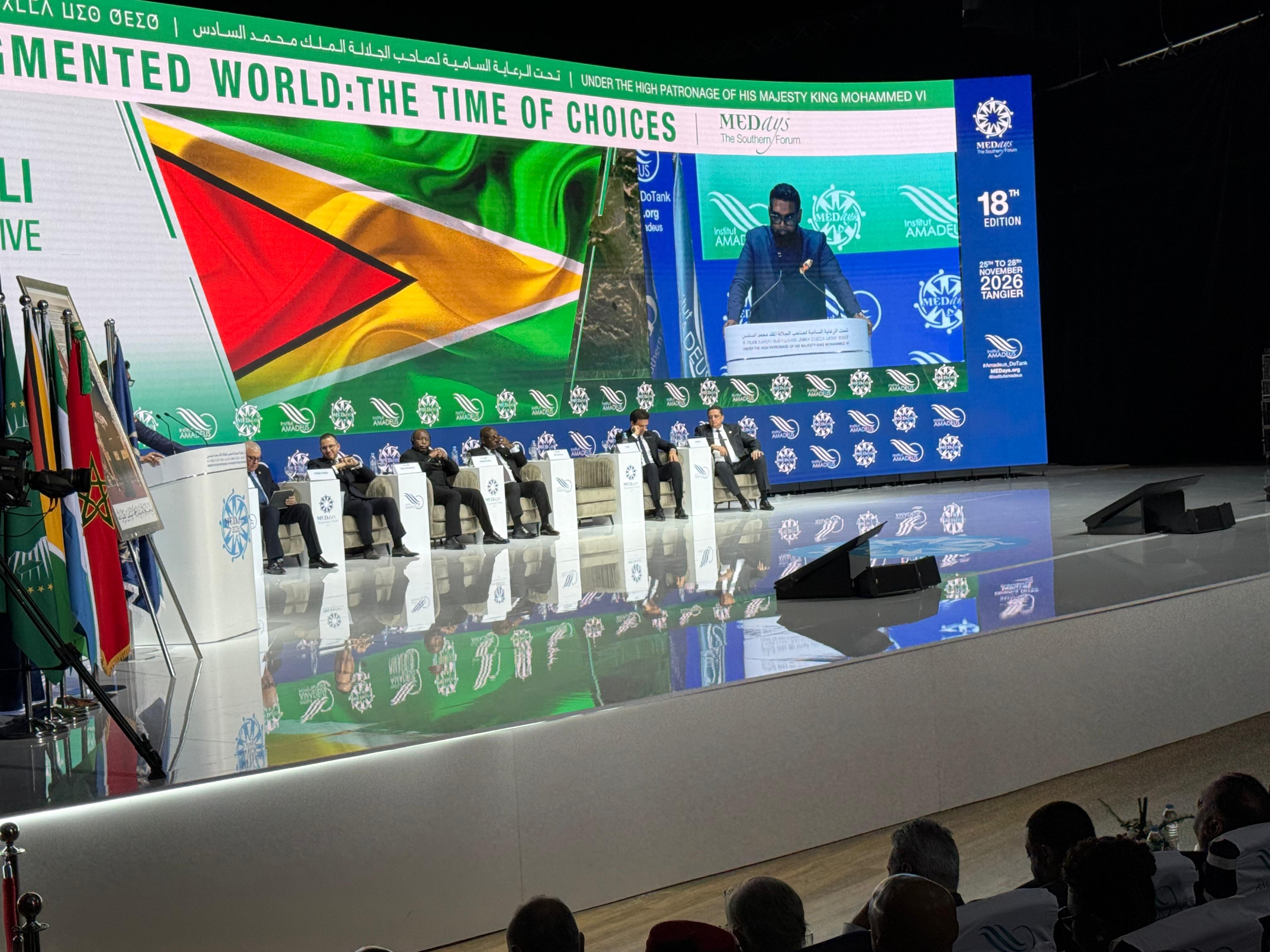
The opening plenary brought together Évariste Ndayishimiye, President of Burundi and Chairperson of the African Union, Julius Maada Bio, President of Sierra Leone, Azali Assoumani, President of the Union of the Comoros, and Mohamed Irfaan Ali, President of Guyana. Thami Ghorfi, President of ESCA School of Management, moderated the session. Moroccan speakers included Mehdi Tazi, President of the General Confederation of Moroccan Enterprises, and Omar Moro, President of the Tangier-Tétouan-Al Hoceïma Regional Council.
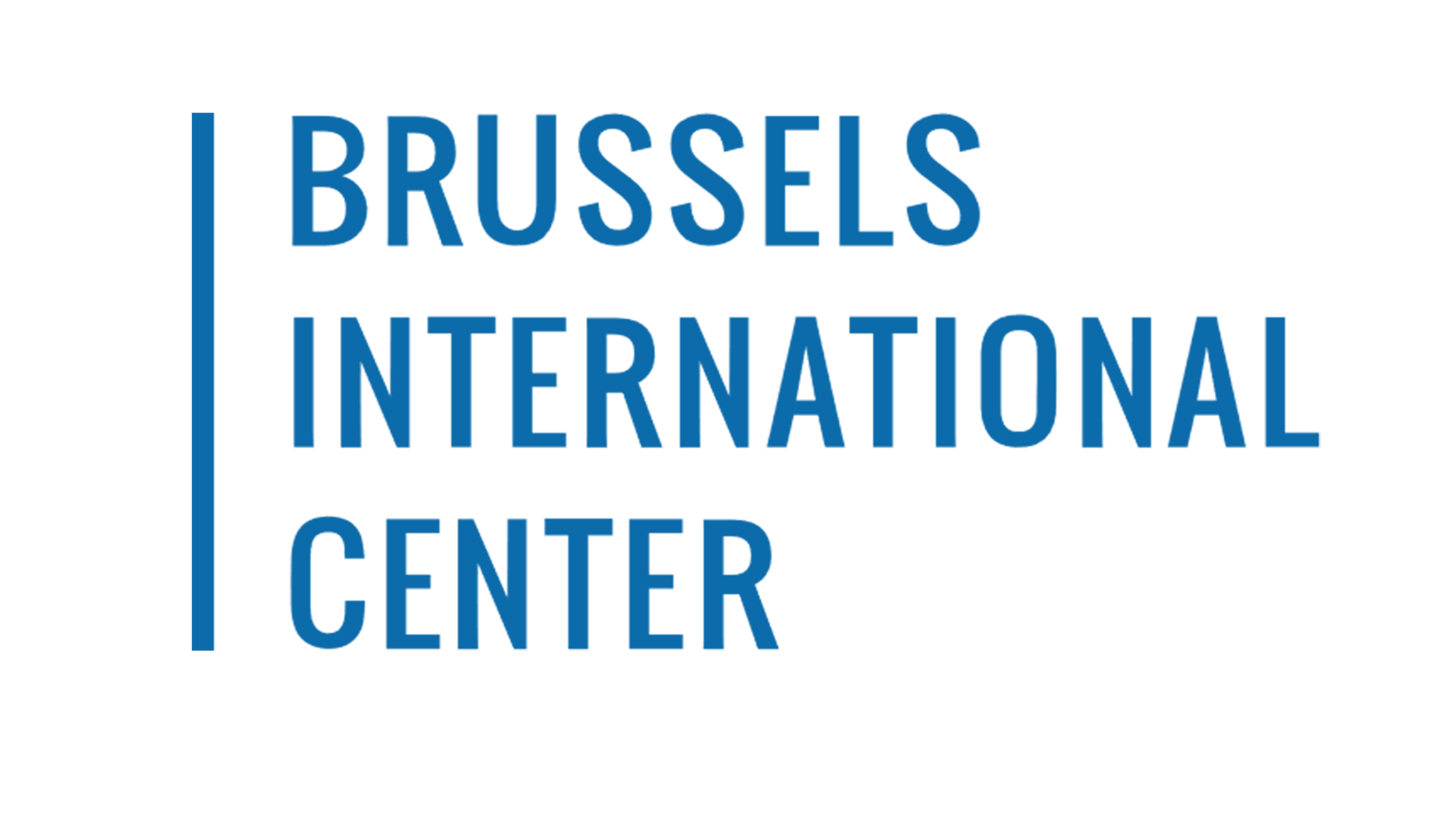
In his opening remarks, Brahim Fassi Fihri, founder and President of Institut Amadeus, called for countries to draw more effectively on their collective knowledge as the international order grows more divided. The discussion placed diplomacy and South-South cooperation at the centre of the forum. That emphasis was also evident in the awards ceremony documented by BIC. Presidents Ndayishimiye and Bio received the Grand Prix MEDays 2026, while President Ali received the MEDays Award 2026. The forum recognised Ndayishimiye, in particular, for his work to advance dialogue and cooperation across Africa.
Who benefits from investment?
Earlier in the day, the MEDays Investment Summit examined a practical dimension of economic sovereignty. As Morocco attracts international investment and expands its role in global supply chains, how can more of the value reach Moroccan and other African businesses? Zakaria Farahat, chief of staff at Morocco’s Ministry of Investment, put that question to a panel of public- and private-sector specialists. The wider summit also addressed infrastructure finance and African industrialisation.
Saïd Jabrani, Director General of Tamwilcom, argued that finance was already available for viable projects. The harder task for many smaller firms was to prepare a proposal that lenders could back and secure access to buyers. Contributions from Maroc PME and the Moroccan Agency for Tourism Development also highlighted the importance of trust between entrepreneurs and the institutions supporting them. For a small supplier, the value of a major investment ultimately depends on whether it can win a contract and finance the work needed to deliver it.
What BIC takes back to Brussels
BIC’s coverage from Tangier connects the diplomatic discussion with this economic question. Heads of state spoke in a forum dedicated to the choices countries face about their alliances and sovereignty. Investment specialists examined what those choices mean for businesses seeking a foothold in international markets. Read together, the two discussions raise a question relevant to European policymakers as well: when governments describe a partnership as mutually beneficial, how do the businesses and communities involved experience its benefits?
That question is one reason BIC returns to MEDays. For a research and human rights center based in Brussels, listening to how partners define their own priorities is an essential part of assessing European policy. Our photographs from the opening plenary and awards ceremony accompany this report, documenting the people who helped set the agenda in Tangier.
Other Researches

