BIC Participation in the OHCHR Consultation on Sports, Ageing, Racial Discrimination and the Right to Health

The Brussels International Center (BIC) participated in the OHCHR consultation “Sports, Ageing and Racial Discrimination: Implications on the Right to Health,” held on 9 October 2026 at the UN House in Brussels. Organised by the UN Human Rights Regional Office for Europe, the European Public Health Alliance and DisQo, the consultation brought together institutional actors, civil-society organisations, researchers and public-health stakeholders to address the combined effects of racial and age discrimination on older persons’ access to sport, physical activity and the right to health.
The event was particularly important because it placed sport within a human-rights framework, rather than treating it solely as recreation or health promotion. Discussions highlighted that participation in physical activity can support autonomy, mental and physical health, dignity and social inclusion, while racism, ageism, disability and gender-related discrimination can create cumulative barriers. For BIC, attendance offered an opportunity to follow an emerging policy area that connects equality, health, social participation and protection of vulnerable communities.
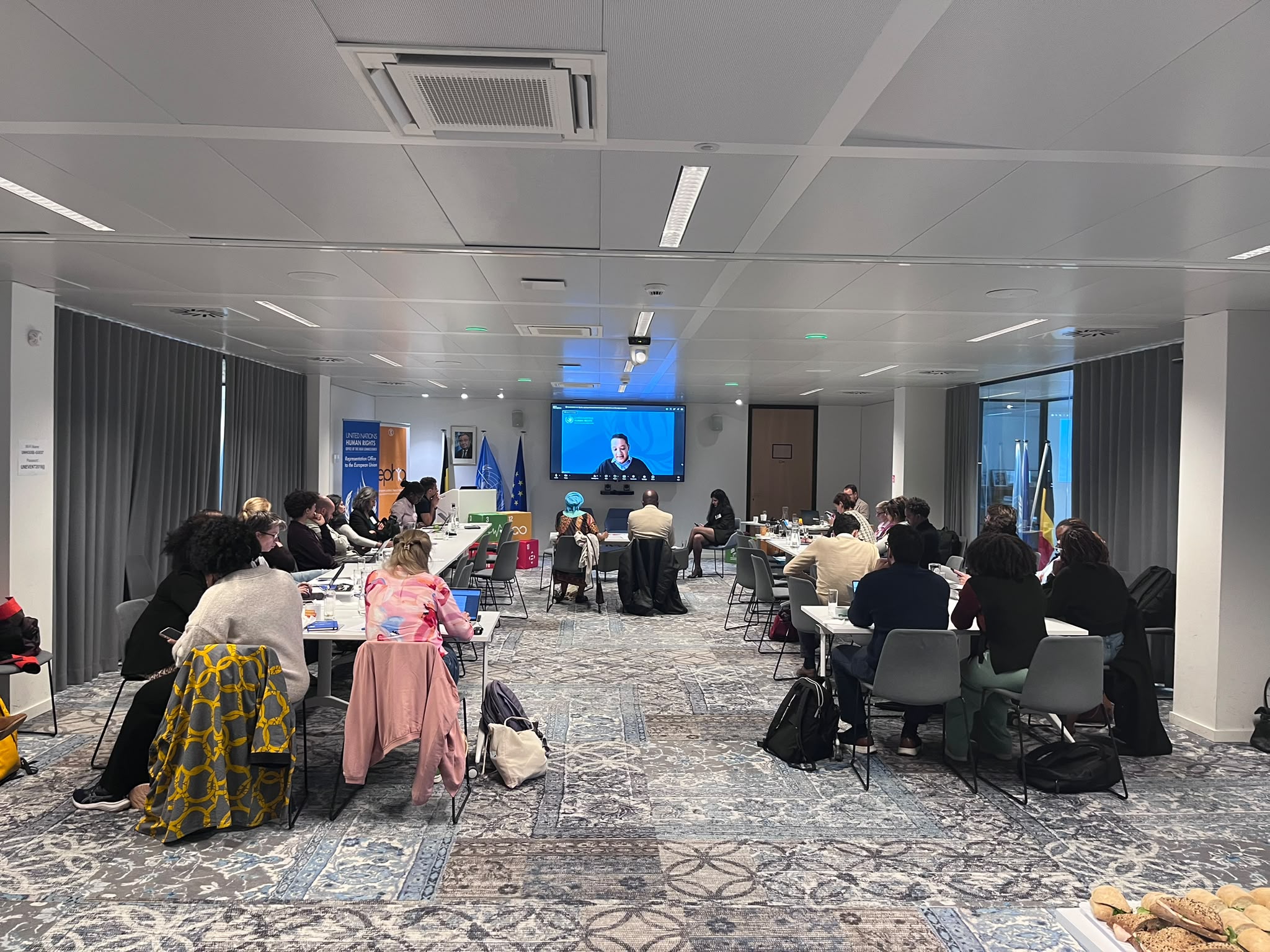
The consultation is directly linked to the United Nations human-rights system and to the development of international standards on the rights of older persons. OHCHR has confirmed that the Human Rights Council created an intergovernmental working group in 2025 to begin drafting a legally binding international instrument on this subject. The forthcoming Geneva session is therefore an important milestone, as it can shape future obligations and policies concerning equality, health, participation and protection in old age.
BIC’s participation in this consultation has practical institutional value. It enables the Centre to better understand UN human-rights processes, thematic priorities and the standards being developed on equality, health and the rights of older persons. This experience strengthens BIC’s capacity to use its ECOSOC consultative status effectively in future UN-related engagements, including consultations, expert meetings and relevant human-rights mechanisms. It also helps the Centre build informed working relationships with OHCHR, EPHA, DisQo and other specialised actors, while ensuring that any future contribution by BIC is grounded in direct knowledge of the issues and procedures involved.
Other Researches