Brussels International Center Participation at the 9th World Congress Against the Death Penalty (Paris, 2 July 2026)
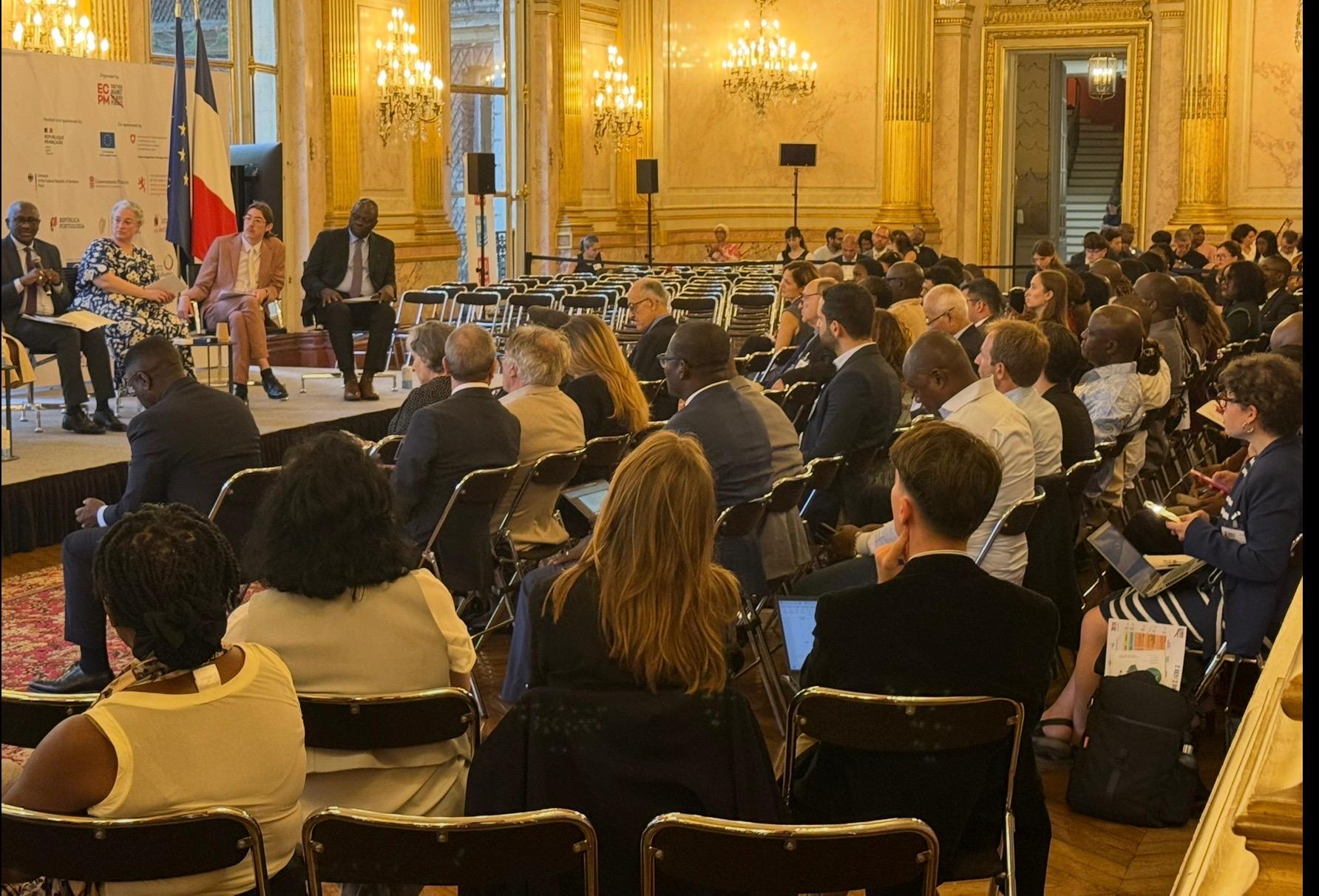
The Brussels International Center (BIC) continued its participation in the 9th World Congress Against the Death Penalty by attending a series of discussions that focused primarily on the situation in Iran and the international response to the increasing use of capital punishment. The sessions brought together representatives of international organizations, human rights defenders, legal experts, and civil society actors to examine recent developments and explore avenues for strengthening international advocacy and accountability.
A central focus of the day's programme was the side event "Mass Executions in Iran: What Can NGOs, States and the UN Do?", which examined the significant rise in executions in Iran over recent years. Presentations highlighted statistical trends showing a sharp increase since 2022, with speakers arguing that executions are increasingly used not only as criminal sanctions but also as instruments of political repression. Discussions emphasized the use of capital punishment against political opponents, protesters, and members of ethnic minorities, while calling for stronger engagement by the United Nations, governments, and international NGOs to increase diplomatic pressure and improve documentation of human rights violations.
Participants also examined the humanitarian and social dimensions of executions by presenting case studies illustrating the impact of capital punishment on economically marginalized communities. Particular attention was devoted to the situation of Kurdish and Baluch minorities, with speakers describing patterns of discrimination, allegations of unfair trials, torture, coerced confessions, and the expanding use of broadly defined national security offences. Several interventions also linked the recent increase in executions to broader regional tensions involving Iran, arguing that geopolitical considerations have sometimes weakened international condemnation of Tehran's execution policies.
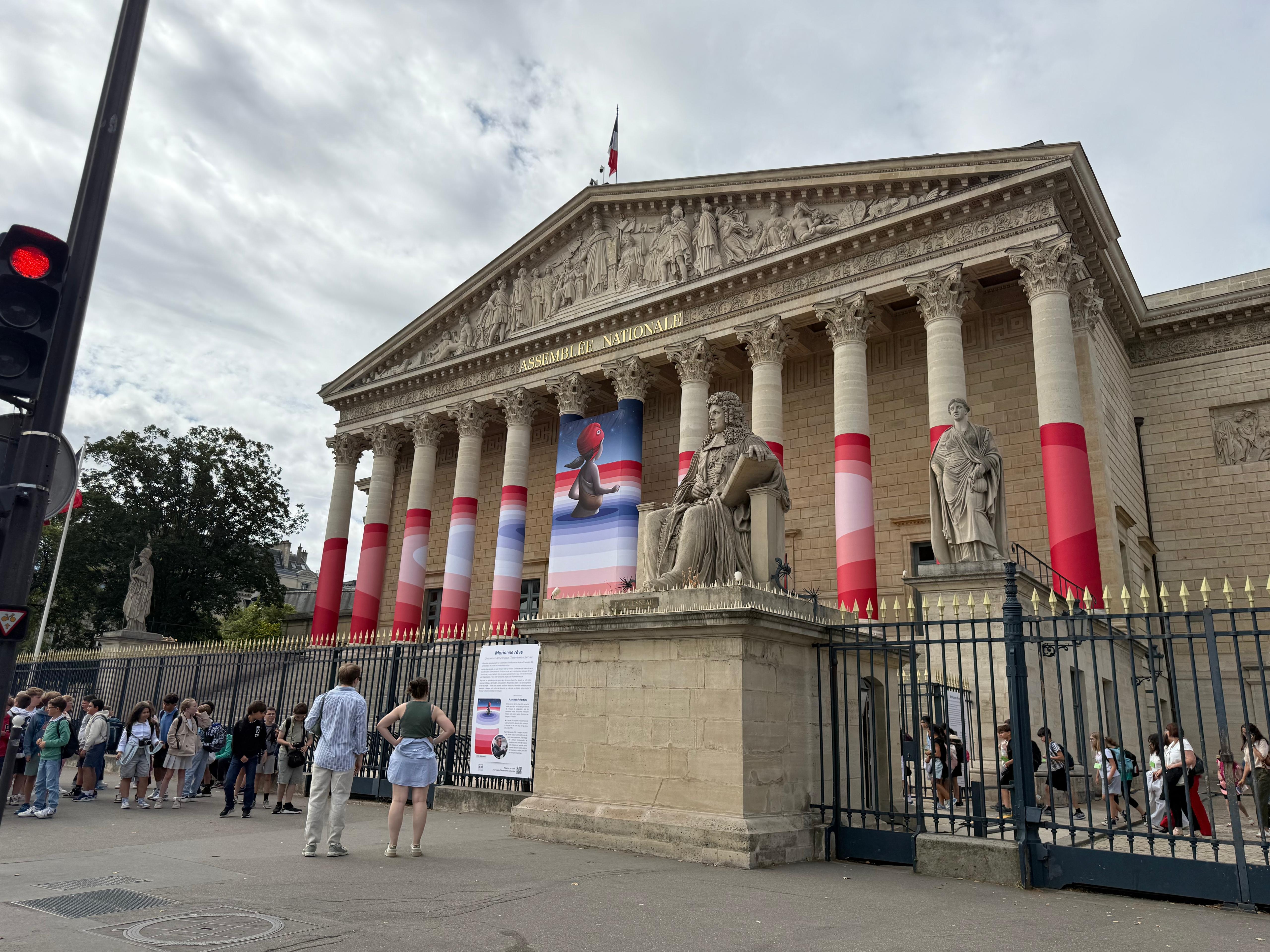
During the congress, Yousif Kharoubi, Office Administrator and Media & Communication Manager at the Brussels International Center, continued monitoring the proceedings and engaging with participants from international organizations and civil society, contributing to the Center's documentation and coverage of the event.
The Center also attended a session dedicated to cooperation within the Francophone community in response to the global resurgence of the death penalty. Discussions emphasized the role of the Organisation internationale de la Francophonie, national human rights institutions, parliamentarians, and regional organizations in promoting legislative cooperation, supporting moratoriums, and strengthening international coordination to preserve abolitionist achievements and advance common human rights standards.
The Brussels International Center's participation was further supported by Yasmine Akrimi, Projects and Research Lead, who contributed to the analytical monitoring of the congress by following policy discussions and collecting research material on emerging legal and diplomatic trends related to capital punishment.
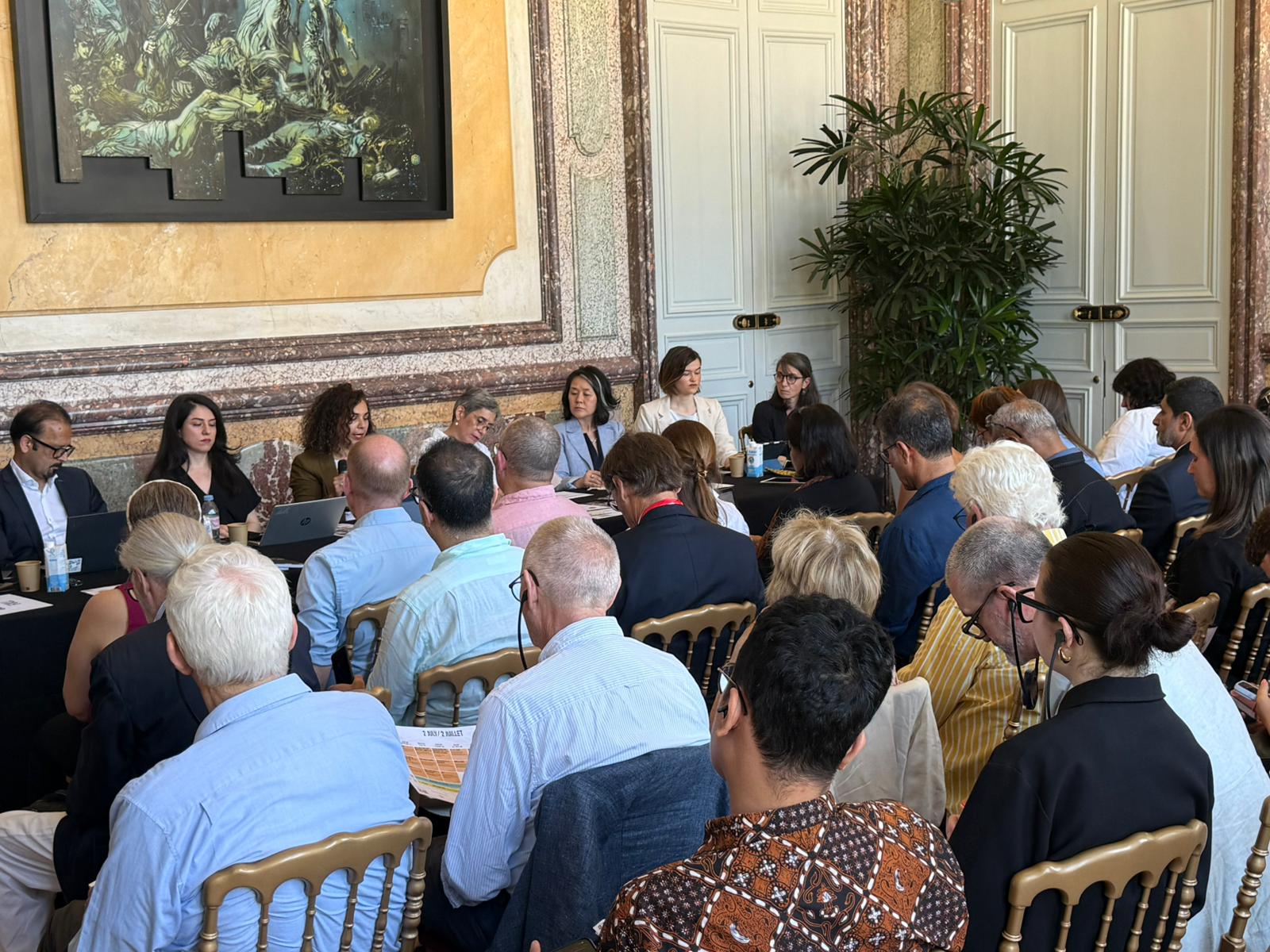
Overall, the second day of the congress enabled the Brussels International Center to closely follow high-level discussions on Iran's execution policies and the broader international movement to abolish the death penalty, while strengthening its engagement with experts and organizations working in the fields of international law and human rights.