Funding Climate Resilience: Investing in Loss and Damage Solutions

About
Some adverse effects of climate change on natural and human systems will be - and are already partially - irreversible, with consequences being too destructive to be contained either by limiting the rise of temperatures or bolstering adaptive methods. Countries in the global south are more vulnerable to extreme weather and lack the resources to cope with the aftermath, and are disproportionately affected by L&D. By 2030, climate-induced L&D is estimated to cost developing countries between 290 billion and 580 billion US$.
At COP27, governments agreed to create financial schemes and a special fund to address loss and damage. Additionally, a Transitional Committee was set up to make suggestions for implementation of these plans prior to COP28 in December 2023. However, it is yet to be determined how the Loss and Damage fund and other funding arrangements pertaining to it will be put into practice, how they will be distributed and by whom.
As we approach COP28 in December 2023, the pressing challenge before us is to shape negotiations on loss and damage into a process that is not only forward-looking but also grounded in concrete action and accountability. This path should prioritize equitable distribution, transparency, and effectiveness in addressing the needs of those most affected by climate-induced loss and damage. It should also ensure that vulnerable communities, civil society, and experts have a meaningful role in shaping and monitoring these initiatives.
Our objective is to create a platform where experts, policymakers, advocates, and stakeholders can engage in open discussions, exchange ideas, and explore innovative approaches to address the adverse impacts of climate change, particularly in the context of loss and damage. Through collaborative efforts, we hope to identify actionable strategies and promote the principle of intergenerational justice, equitable distribution of resources and accountability as a cornerstone for any loss and damage agreements at the COP28.
Moderator
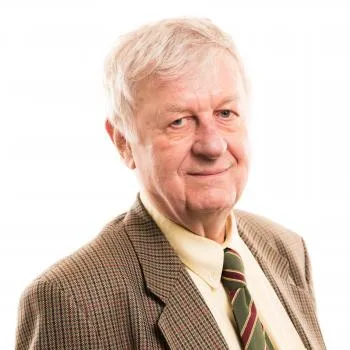
Marc Otte
BIC President
Speakers
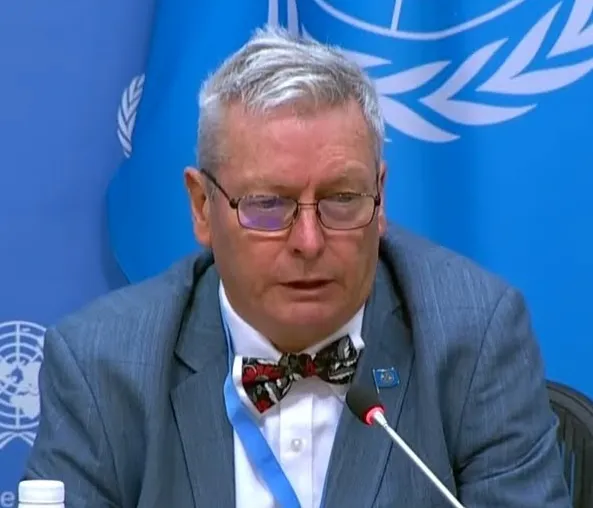
Dr. Ian Fry
Special Rapporteur on Climate Change OHCHR-UNOG
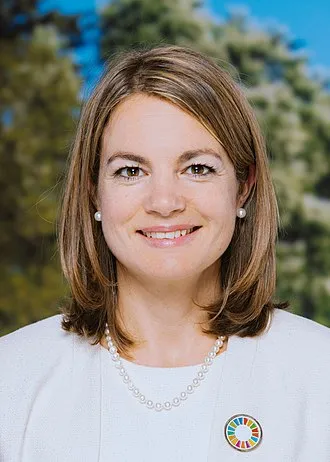
Dr. Elise Buckle
Co-Founder and Co-Director of SHE Changes Climate, Board member of the Climate Accelerator, CEO of Climate & Sustainability
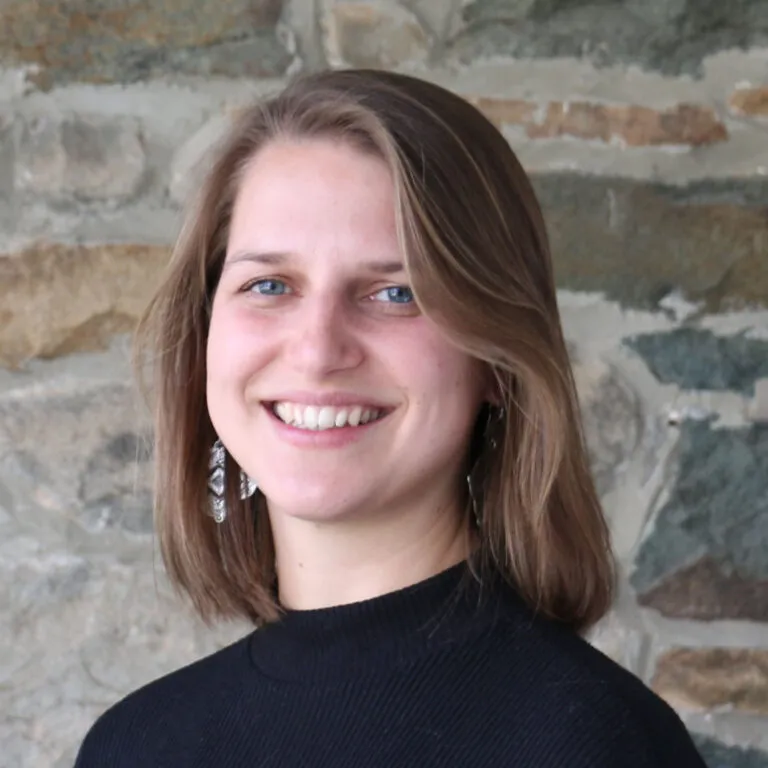
Lien Vandamme
Senior Campaigner, CIEL
Discussion Questions

Meet Our Thought Leaders



Stay Updated on Research
.webp)